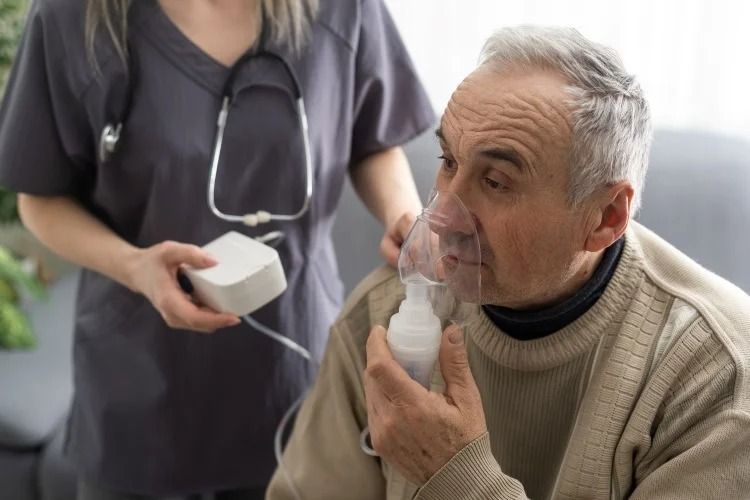

Understanding Asthma
Asthma is a chronic inflammatory condition that affects the airways, causing them to narrow and making breathing more difficult. Common symptoms include shortness of breath, wheezing, chest tightness, and coughing. Asthma symptoms can be triggered by environmental allergens, air pollution, respiratory infections, physical activity, or other individual factors. Understanding these triggers is an important step toward managing asthma effectively and reducing flare-ups. ¹
Tips for Breathing Easier with Asthma
Know Your Triggers
Identifying and avoiding asthma triggers can help prevent symptoms before they start. Working closely with your healthcare team can help you recognize patterns and develop strategies tailored to your specific needs.
Develop an Asthma Action Plan
A written asthma action plan outlines daily medications, steps to take when symptoms worsen, and when to seek emergency care. Having a clear plan in place can improve symptom control and provide peace of mind.
Regularly Monitor Your Breathing
Monitoring your breathing can help you recognize changes early. Tools such as a peak flow meter offer valuable insight into lung function and can support better day-to-day asthma management.
Practice Proper Inhaler Technique
Using inhalers correctly is essential for medications to work effectively. Education and guidance from trained healthcare professionals can help ensure proper technique and optimal medication delivery.
Embrace a Healthy Lifestyle
Maintaining a balanced diet, staying physically active as tolerated, and getting adequate sleep can support overall health and may help improve asthma control.
Pulmonary Care and Support
Pulmonary Rehab Programs across our communities are designed to support individuals living with respiratory conditions, including asthma. These programs often include education, therapeutic breathing exercises, and strategies aimed at improving lung function, building endurance, and promoting greater independence in daily activities.
Conclusion
Asthma doesn’t have to control your life. With the right tools, education, and support, individuals with asthma can better manage their symptoms and breathe with greater confidence. Ongoing pulmonary care and individualized guidance can make a meaningful difference in long-term respiratory health.
Get in Touch
Learn more about how RespiraCare at Cambridge supports personalized care for patients in Moorestown, NJ. Contact us today to schedule a tour or speak with a member of our care team.
About the Author
Maryann Mazzone, CRT, SDS, is a Certified Respiratory Therapist and Sleep Disorder Specialist with a passion for helping individuals manage respiratory conditions. She is actively involved in pulmonary care and education, focusing on therapeutic breathing techniques and personalized strategies that support improved lung function and quality of life for those living with asthma and other respiratory conditions.